
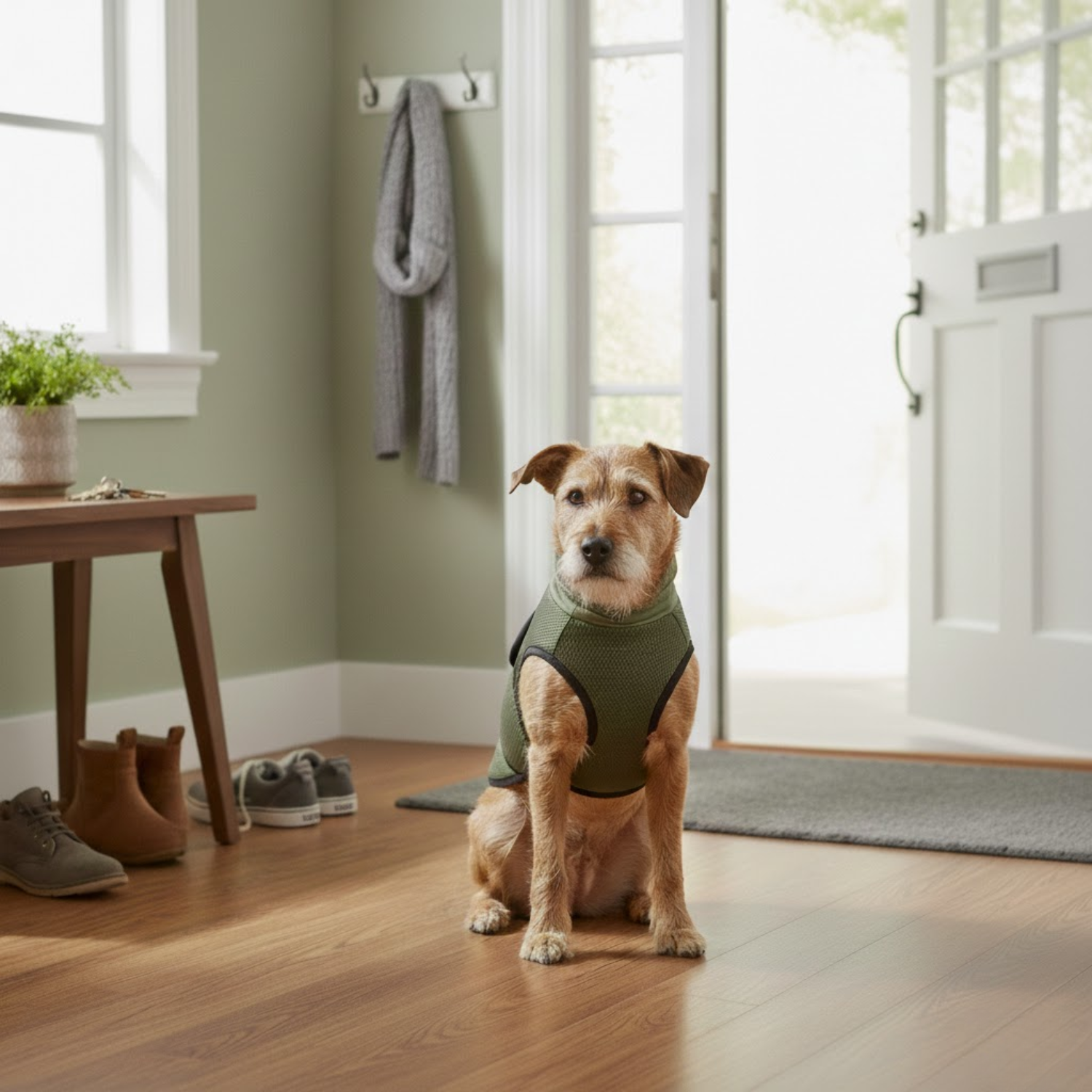
For many dogs, being left alone isn’t just inconvenient, it can be deeply unsettling. If your dog becomes distressed when you leave the house, follows you constantly, or struggles to settle once you’re gone, separation anxiety may be at play.
The good news? With patience, consistency, and the right kind of support, separation anxiety can be eased. Let’s explore what it looks like, why it happens, and how you can help your dog feel more secure when you’re not there.
What Is Separation Anxiety in Dogs?
Separation anxiety occurs when a dog feels stressed or unsafe when separated from their owner or left alone. It’s not bad behaviour or stubbornness, it’s an emotional response rooted in attachment and uncertainty.
Dogs are social animals, and for some, solitude can feel overwhelming, especially if they’ve experienced change, disruption, or past instability.
Common Signs of Separation Anxiety
Every dog expresses anxiety differently, but common signs include:
• Pacing or restlessness after you leave
• Barking, whining, or howling when alone
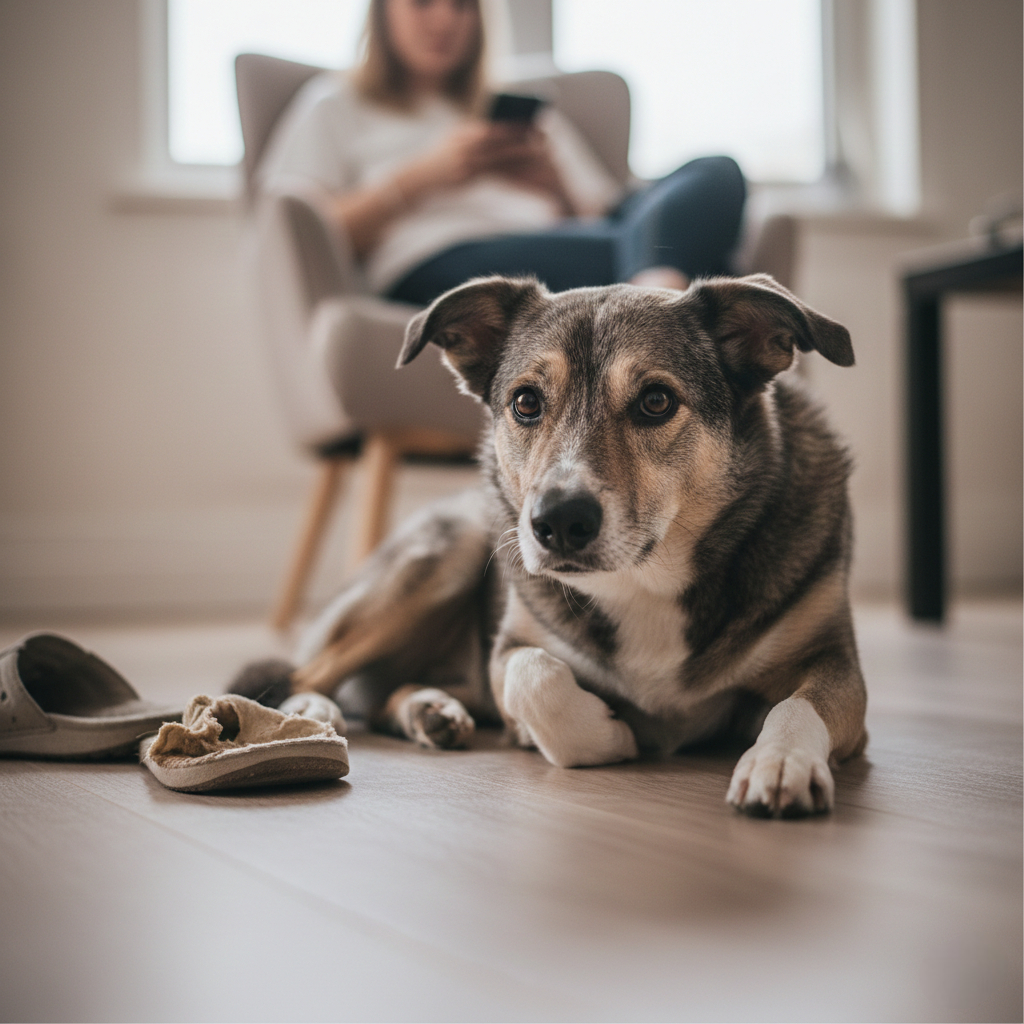
• Destructive behaviour focused around doors or windows
• Toileting indoors despite being house-trained
• Excessive salivation or panting
• Refusing to settle or sleep when left
If these behaviours mainly appear when you’re away, and ease when you return, separation anxiety could be the cause.
Why Do Some Dogs Struggle More Than Others?
Separation anxiety often develops after a change in routine or environment. Common triggers include:
• Moving home
• A change in working patterns
• Loss of a family member or another pet
• Rescue or rehoming experiences
• Lack of gradual alone-time training
Dogs who form strong attachments, or who thrive on predictability, may find sudden absences especially difficult.
How to Help Your Dog Feel Safer When Alone
Helping a dog with separation anxiety isn’t about quick fixes, it’s about creating a sense of safety, familiarity, and calm over time.
1. Create a Predictable Routine
Dogs find comfort in knowing what comes next. Keeping departure and return routines calm and consistent helps reduce uncertainty.
• Avoid overly emotional goodbyes
• Stick to regular walk, feed, and rest times
• Keep arrivals low-key to prevent emotional spikes
Consistency builds confidence.
2. Build Positive Alone Time Gradually
Instead of long absences straight away, practise short periods apart and slowly build them up.
• Step into another room for a minute
• Leave the house briefly and return calmly
• Increase duration gradually over time
This helps your dog learn that you always come back.
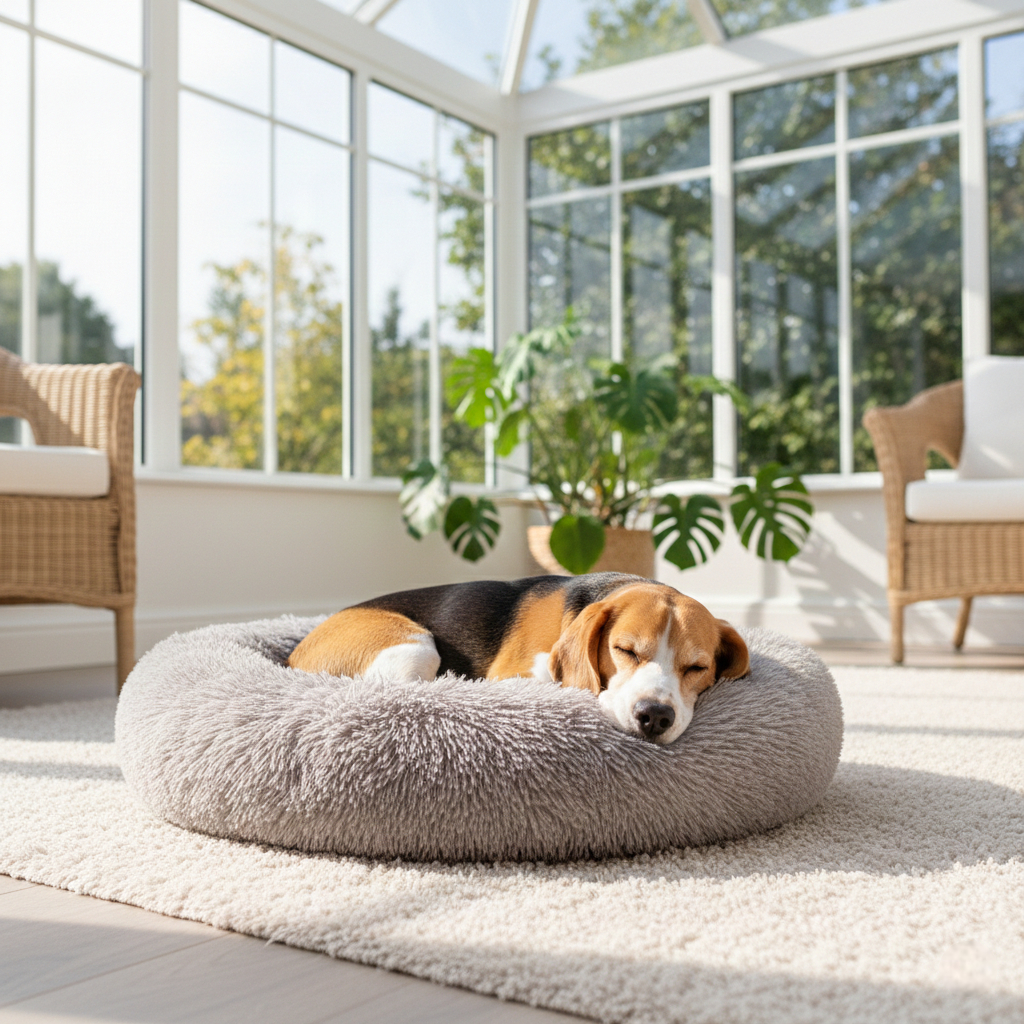
3. Create a Safe, Comfortable Space
Many anxious dogs benefit from having a designated area where they feel secure.
• Choose a quiet part of the home
• Use soft bedding or enclosed spaces
• Add familiar scents or favourite comfort items
A safe space can become a cue for rest and relaxation rather than stress.
4. Use Comfort-Led Support Products
Some dogs respond well to gentle, non-intrusive calming support as part of their routine.
Comfort-focused products such as:
• Wrap-style anxiety jackets
• Enclosed calming beds
• Soft comfort toys
• Gentle noise-reducing accessories
These don’t replace training or routine, but they can help create a more settled environment when anxiety appears.
5. Support Calm Before You Leave
Encouraging calm behaviour before departure can set the tone for your dog’s time alone.
• Allow time for rest after walks
• Avoid high-energy play just before leaving
• Offer a quiet activity or comfort item
Calm beginnings often lead to calmer outcomes.
What to Avoid
When dealing with separation anxiety, some approaches can unintentionally make things harder:
• Punishing anxious behaviour
• Making departures dramatic
• Ignoring clear signs of distress
• Expecting instant results
Anxiety isn’t disobedience, it’s communication.
When to Seek Extra Support
If anxiety feels severe, persistent, or worsens over time, it’s always okay to seek professional guidance. A qualified trainer or veterinary professional can help tailor an approach that suits your dog’s specific needs.
A Final Thought
Separation anxiety can be challenging, but it doesn’t mean you’re doing anything wrong. With understanding, patience, and gentle support, many dogs learn to feel safer and more settled when left alone.
At Bentella & Co., we focus on comfort-led solutions designed to support calmer routines, because every dog deserves to feel secure, even when you’re not nearby.

Leave a comment
This site is protected by hCaptcha and the hCaptcha Privacy Policy and Terms of Service apply.