
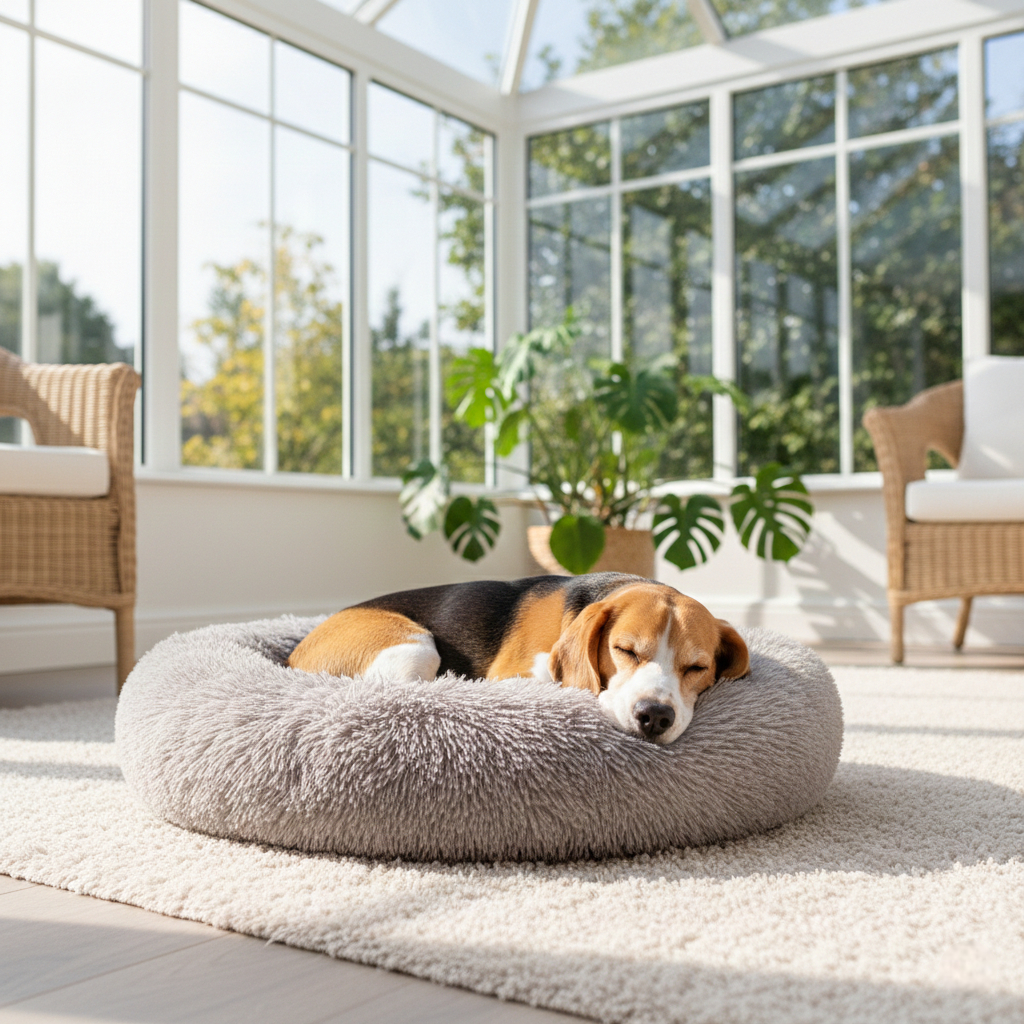
When a dog feels anxious, the world can quickly become overwhelming. Sounds feel louder, spaces feel unfamiliar, and even everyday routines can feel unsettling. While training and routine play an important role, a dog’s senses, particularly scent, warmth, and texture, also have a powerful influence on how safe and settled they feel.
Understanding how these sensory elements affect dogs can help you create a calmer environment that supports relaxation and emotional comfort.
Why Sensory Comfort Matters for Dogs
Dogs experience the world primarily through their senses. When anxiety appears, their nervous system becomes more alert, making it harder to rest, settle, or feel secure. Gentle sensory input can help counteract this by encouraging familiarity and comfort.
Rather than overstimulation, the goal is to create an environment that feels predictable, soft, and reassuring.
The Role of Scent in Creating Calm
Scent is one of the most powerful tools for helping anxious dogs feel safe.
Dogs naturally associate familiar smells with security. Your scent, their bedding, or well-known objects can act as emotional anchors during stressful moments.
How scent helps:
• Provides familiarity in unfamiliar environments
• Helps dogs feel connected when alone
• Encourages relaxation and grounding
Leaving familiar-smelling items in your dog’s resting space, such as a blanket or soft toy, can help ease transitions and reduce feelings of isolation.
Why Warmth Encourages Relaxation
Warmth plays a subtle but important role in calming anxious dogs. Much like humans, dogs often associate warmth with comfort and rest.
A warm environment can:
• Help muscles relax
• Encourage rest and sleep
• Create a sense of protection and safety
Soft, padded bedding or warm wraps can help dogs settle more easily, especially during colder months or stressful situations such as noise or travel.
Texture: The Overlooked Comfort Factor
Texture has a direct impact on how safe a dog feels when resting or interacting with their surroundings.
Soft, plush, or gently padded materials can:
• Encourage snuggling and nesting behaviours
• Reduce restlessness
• Help dogs feel physically supported
Dogs who enjoy burrowing, leaning, or curling up often benefit from textures that allow them to feel gently enclosed without restriction.
How These Elements Work Together
Scent, warmth, and texture are most effective when combined. Together, they create an environment that feels consistent, familiar, and emotionally supportive.
For example:
• A softly padded, enclosed bed offers warmth and security
• A familiar-scented toy provides reassurance
• Gentle wraps or covers add a sense of comfort and stability
These elements don’t “fix” anxiety on their own, but they can significantly reduce stress and support calmer behaviour when used alongside routine and positive reinforcement.
Creating a Sensory-Calm Space at Home
You don’t need to change your entire home to support a calmer environment. Small, thoughtful adjustments can make a big difference.
Consider:
• Choosing a quiet resting area away from busy household noise
• Adding soft bedding with enclosed or padded sides
• Including familiar-scented comfort items
• Maintaining consistent placement of beds and toys
Consistency helps dogs feel confident in their surroundings.
When Sensory Comfort Is Most Helpful
Sensory-led calming support can be especially beneficial during:
• Separation or home-alone time
• Fireworks and thunderstorms
• Travel or unfamiliar environments
• Bedtime and rest periods
• Changes in routine
These moments often heighten anxiety, making comfort and familiarity even more important.
A Gentle Approach to Calm
Helping an anxious dog feel settled doesn’t require loud solutions or complicated routines. Often, it’s the quiet comforts, familiar scents, gentle warmth, and reassuring textures, that make the biggest difference.
At Bentella & Co., we focus on comfort-led solutions designed to support these natural calming responses, helping dogs feel safe enough to relax and owners feel confident they’re offering the right kind of support.
Final Thought
Calm isn’t something dogs are forced into, it’s something they’re allowed to feel. By supporting their senses with care and intention, you create space for reassurance, rest, and emotional balance.

Leave a comment
This site is protected by hCaptcha and the hCaptcha Privacy Policy and Terms of Service apply.